







Facial Cleanser vs Face Wash
Be honest now - how well do you know your face washes from your face cleansers? Knowing the difference between the two and which is best for your skin type can be confusing, especially as they both seem like similar products.
But the good news is that you’ve landed in the right place to find out. So read on for everything you need to know about facial cleansers vs face washes.
Is face wash the same as a cleanser?
A face wash and face cleanser are not the same. They are two different skincare products that each have their own place within a cleansing routine. Typically, face cleansers are often the more gentle option, while face washes are designed for a deeper clean. Both products can be beneficial depending on your skin type.
Some of the biggest differences you’ll find between the two are:
| Product Type | Consistency | Used For | Best For |
| Cleanser | Cream, balm, milk, gel | Removing make up, purifying, hydrating and soothing skin | Dry and sensitive skin |
| Face Wash | Watery, soapy | Creating a lather, deeper cleaning | Oily, combination, and blemish-prone skin |
What is face wash?
Face washes are often water-based, which creates a foamy lather as you massage it into the skin. However, some face washes can also be non-foaming. The type you choose will be down to personal preference. Either way, the foamy or non-foamy face washes are designed to sink into your pores for a thorough clean, removing excess oil for clearer looking skin. Face washes are more commonly used in the morning and will leave your skin feeling ultra refreshed and clean.
It’s important to remember, though, that a face wash may be too much for some skin types, especially on a regular basis, and could result in a drying feeling as it may strip the skin’s natural oils.
What is facial cleanser?
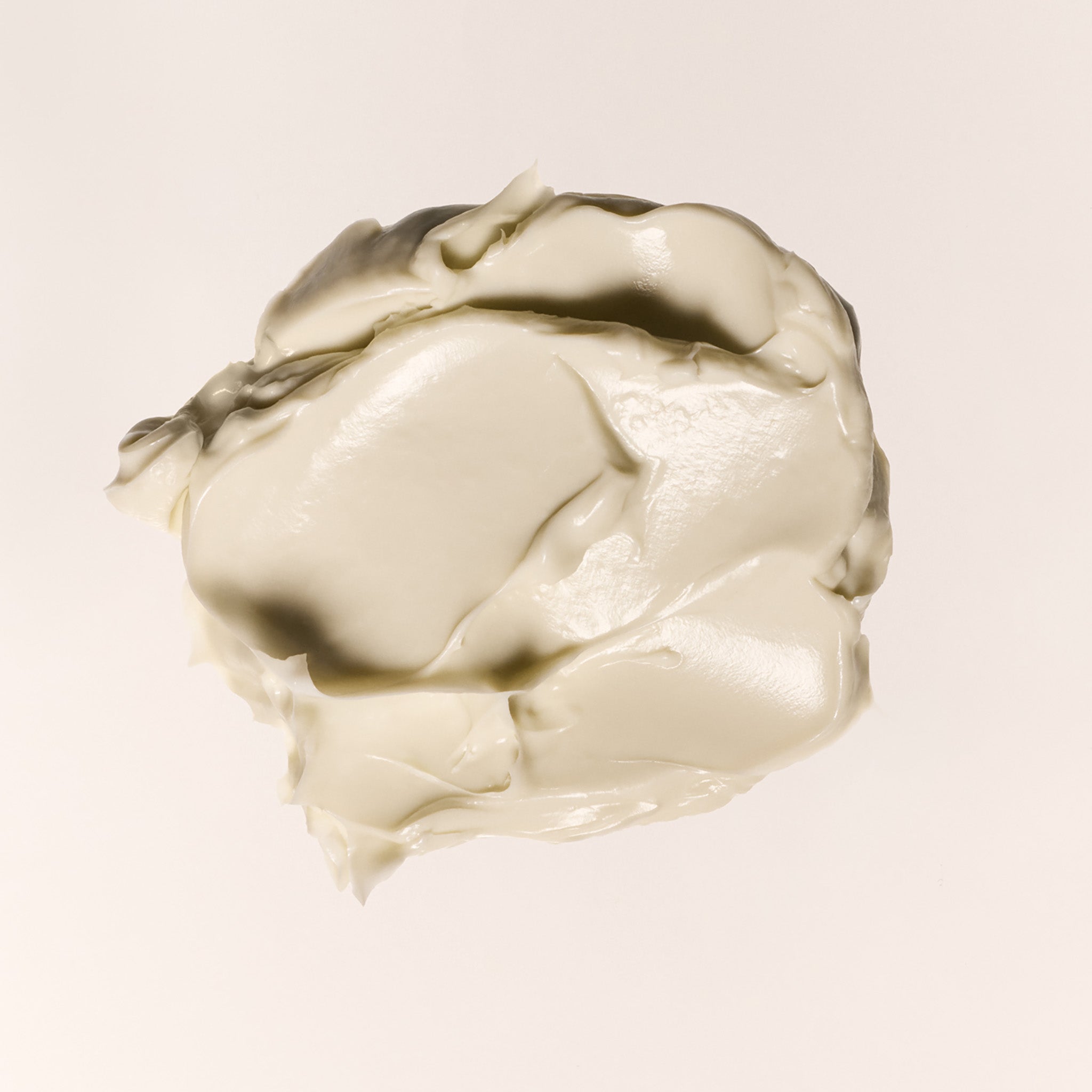
A facial cleanser, on the other hand, is a more luxurious skincare product with a creamy consistency that helps to remove makeup, gently cleanses and hydrates the skin. They are typically more oil-based with a thicker consistency than face washes. Cleansers are more commonly used as part of your nighttime routine and will leave your skin feeling clean and soft.
For some skin types, the richer formula of a cleanser may be too heavy or moisturising, leaving your skin feeling extra oily.

Which is better: facial wash or cleanser? And do I need both?
Deciding which product will work best for you will depend on your skin type. If you have dry skin, a face cleanser will be your go-to for keeping your skin clean and healthy-looking. However, if you have oily to combination skin, you’ll likely benefit more from a face wash to remove excess oils and help keep pores clearer.
Both products can be used together in a skincare routine, known as a double cleanse, for those who need it. This will help to thoroughly clean your skin while also helping it feel hydrated. When it comes to double cleansing, though, choosing the right products is key. If you find your skin feeling tight afterwards, the products may be too stripping. Try to choose a gentle cleanser with a thorough cleaning wash.
If you’re still unsure, the table below will explain which product is best for which skin type:
|
Skin type |
Product type |
Recommended products |
|
Cream cleanser followed by a gentle face wash to avoid skin feeling stripped of its natural moisture. |
Our Vitamin E range, including our Vitamin E Cream Cleanser and Vitamin E Gentle Face Wash, features formulas enriched with vitamin E, suitable for all skin types. |
|
|
An all-rounder cleanser and wash with a gentle formula. |
Our Seaweed range is ideal for those battling with an oily T-zone, dry patches and shine. Both the Seaweed Oil Control Gel Cream and the Seaweed Oil Control Face Wash are effective in washing off grime, helping skin feel softer, and reducing shine. |
|
|
Thoroughly cleaning face wash |
Our Tea Tree range is ideal for those with oily, blemish-prone skin. The Tea Tree Skin Clearing Facial Wash will leave skin feeling fresh and less oily, without feeling dried out. |
|
|
Gentle and soothing cream cleanser |
Skin on the face is much thinner than the rest of the body, and our Aloe range, including our Aloe Soothing Cream Cleanser, is formulated to be gentle, helping to leave skin feeling soft and not tight. |

How to use facial cleansers
A facial cleanser should be the first step in your routine to work on removing makeup, dirt and oils built up throughout the day, or overnight. When it comes to using a face cleaner, start by washing your hands and splashing your face with lukewarm water before putting a coin-size blob into your hands and massaging it into your face in an upward swirling movement. Not only will this help remove grime and dead skin cells, but it’ll also help to stimulate the area. Rinse the cleanser off and enjoy your skin feeling sparkly clean.
How to use face wash
It’s often recommended to use a face wash twice a day, once in the morning to remove excess oil from overnight and once in the evening to remove makeup, dirt and daily pollutants. Unless you’re doing a double cleanse, in which a cleanser would be the first product used, a face wash should be the first step in your routine. Start by washing your hands and wetting your face before applying a small amount of the face wash to your hands and gently massaging it into your face, letting it lather and get deep into the pores. Rinse thoroughly with warm water before applying the next products.
Although face cleansers and face washes appear to be similar products, they offer very different benefits within your skincare routine. When it comes to choosing which facial skincare product is best, you’ll need to think about your skin type and what it needs to feel clean, healthy and nourished. Or, it is possible to use both in a double cleanse if needed. If you want to learn more about products in a skincare routine, find out how to use a toner and find the best moisturiser as the next steps.